
Human Effects on Trophic Levels and Carbon Cycle Biology Diagrams In the depths of our oceans, an invisible threat to marine life is silently transforming marine ecosystems. Every year, an estimated 14 million tons of plastic waste enters our oceans, breaking down into microscopic particles smaller than 5 millimeters - microplastics. These tiny fragments have infiltrated every level of marine food chains, from the smallest […] Pollution can disrupt food webs, impacting the delicate balance of ecosystems. Contaminated prey can transfer toxins to higher trophic levels, leading to bioaccumulation and potentially impacting entire predator populations. Loss of keystone species due to pollution can have cascading effects on the whole ecosystem. Overfishing disrupts this balance by removing species that play crucial roles in the health of the reef. For instance, herbivorous fish help control algae growth, preventing it from smothering corals. Overfishing has also taken its toll, with certain fish populations declining to critical levels. Pollution from agricultural runoff further
Pollution disrupts food chains and webs by affecting the health, reproduction, and survival of organisms at various trophic levels. Pollution, in its various forms, can have a profound impact on food chains and webs. For instance, air pollution can lead to acid rain, which can acidify soils and water bodies. Microbial interactions form microfood webs, crucial for ecological functions. The steady state of these webs, shaped by cooperation and competition among trophic levels, prevents pathogen proliferation and invasion, maintaining soil health. Combined pollutants pose a widespread environmental issue, exerting significant pressure on microfood webs. However, understanding how these webs respond This practice disrupts trophic levels by destroying habitats and reducing the availability of primary producers, which are essential for the survival of herbivores and other consumers. As a result, populations of herbivores decline, affecting the predators that depend on them. Pollution: Undermining Trophic Health. Pollution, including

Trophic Levels in the Geography of Environment Biology Diagrams
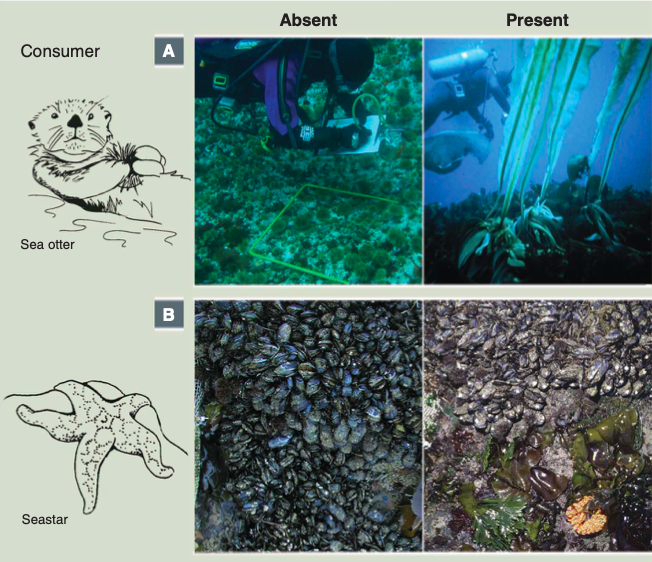
Water pollution can reduce primary productivity by affecting phytoplankton and aquatic plants, which are essential food sources for higher trophic levels. Trophic Cascade Effects: Pollutants can trigger trophic cascades, where the decline of one species can have cascading effects on other species in the food web, potentially leading to
Pollutants thus enter the ocean through the atmosphere and riverine influx thereby making their presence in the first trophic level. Pollution levels can be particularly severe in coastal locations near industrialized and densely populated communities. leading to lower energy availability for higher trophic levels. This disrupts the entire

Microplastics Are Silently Destroying Marine Life (The Science Behind ... Biology Diagrams
Moreover, biodiversity loss at any level can disrupt the flow of energy and nutrients, potentially leading to cascading extinctions. A decline in primary producers due to pollution can deprive higher trophic levels of food, while the loss of apex predators can cause their prey populations to explode and overconsume lower trophic levels.
